Table Of Content
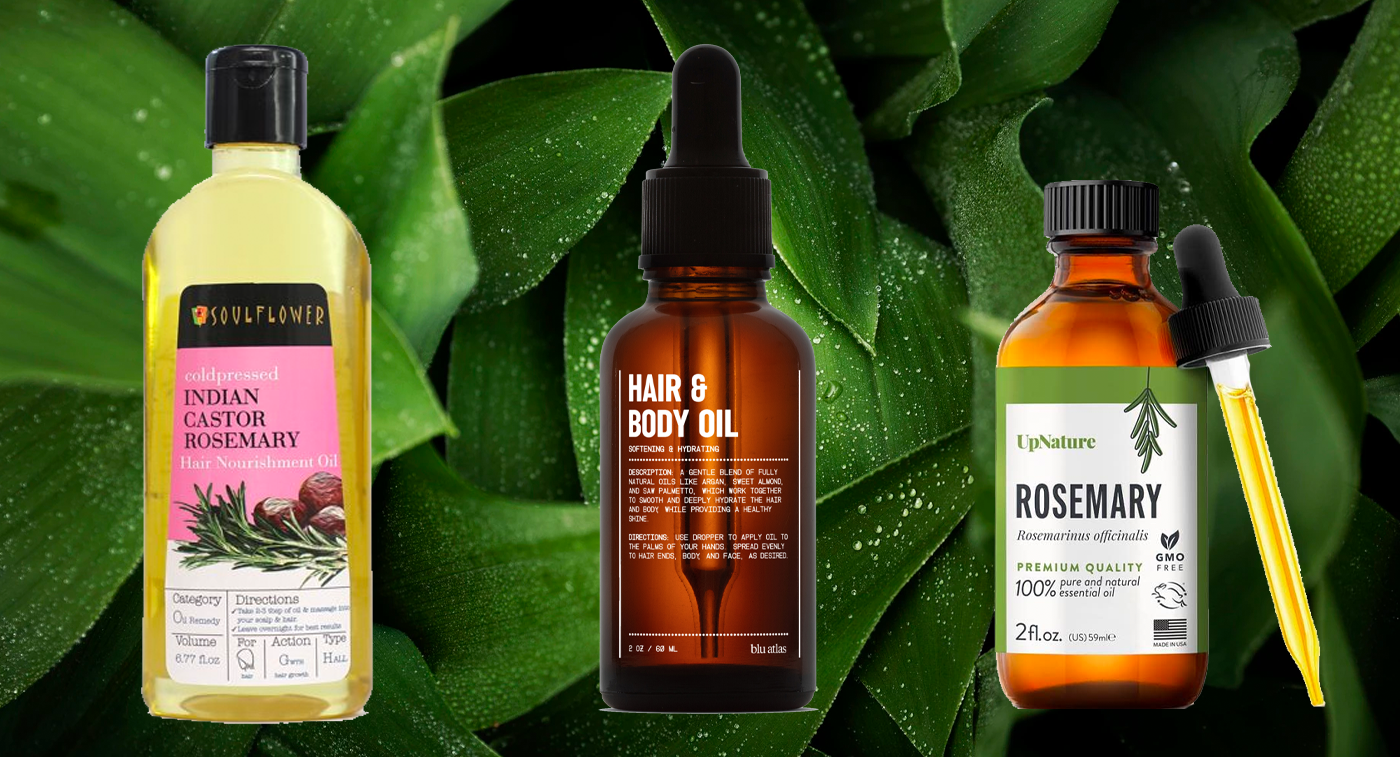
It is an essential oil with various beneficial effects, including anti-inflammatory and antioxidant properties. For instance, if your hair tends to be dry, then “look for serums that contain oils to help hydrate the dry hair shaft,” says Dr. Shaver. Meanwhile, if you simply want better, faster hair growth, then she recommends looking for products with ingredients that have been clinically proven to do just that—and have scientific data that support their use. If you still want to try rosemary oil, just be aware that more research is needed.
Make your own scalp treatment.

More revealing recent studies show that rosemary directly helps protect against hair loss. One 2015 trial pitted the essential oil against minoxidil, commercially known as Rogaine. Both were used on human subjects with androgenic alopecia (male or female pattern baldness). Use this ultra-lightweight scalp and hair oil treatment before shampooing to boost your hair’s manageability and shine factor. “It combines rosemary oil and avocado oil to encourage hair growth while delivering moisture,” says Dr. Nussbaum. Alongside its culinary prowess, rosemary oil has been used medicinally for centuries, and recent study has backed up a number of its most famous uses.
What makes rosemary oil effective for hair growth?
Therefore, it's always recommended to dilute Rosemary Oil before using it on hair or skin to avoid any potential damage. While many products do provide applicator nozzles that reach through the hair, some droppers aren’t as precise. “Cedarwood oil has been proven to help enhance blood circulation to the scalp and tighten the follicles,” Johnson says.
How Often Should I Use Rosemary Oil for Hair Growth?
If you are planning to use Rosemary Oil for hair growth, keep a few things in mind to get the best results. Whether you are using it to prevent hair loss, promote hair growth, or need application tips, the following answers to commonly asked questions about Rosemary Oil will help you use it effectively and safely. Apply the blend to the ends of your hair below the ears to nourish the hair strands.
Aliver's Latest Rosemary Oil Product Line Launches in European Market with Tremendous Response - GlobeNewswire
Aliver's Latest Rosemary Oil Product Line Launches in European Market with Tremendous Response.
Posted: Sat, 04 Mar 2023 08:00:00 GMT [source]
For more than 150 years, Harper’s Bazaar has been the preeminent fashion and beauty resource for women at every age. We cover what’s new and what’s next in beauty by working with the world’s leading authorities in dermatology, plastic surgery, cosmetics, skincare, hair care, and fragrance. Every story we publish has been thoroughly researched and vetted by our team of beauty editors and industry experts.
Can Rosemary Oil Cause Hair Loss?
Kayla Blanton is a freelance writer-editor who covers health, nutrition, and lifestyle topics for various publications including Prevention, Everyday Health, SELF, People, and more. She’s always open to conversations about fueling up with flavorful dishes, busting beauty standards, and finding new, gentle ways to care for our bodies. Since joining ELLE.com in 2017, she has interviewed countless skincare professionals and has personally tested the latest and greatest products across makeup, skincare, and hair care. It’s thought to create a healthy environment for strands to grow in by improving circulation to the scalp, moisturizing the skin, as well as soothing dandruff and inflammation. There is some evidence that coconut oil may have an anti-inflammatory effect against UV radiation-induced inflammation [8].
Can diluted rosemary oil be used on children’s hair?
How to Use Rosemary Oil for Hair Growth: Benefits, DIY Remedies, And Precautions - PINKVILLA
How to Use Rosemary Oil for Hair Growth: Benefits, DIY Remedies, And Precautions.
Posted: Tue, 23 Apr 2024 06:21:00 GMT [source]
In addition to Women's Health, her work has also appeared in Allure, StyleCaster, L'Officiel USA, V Magazine, VMAN, and more. Review medical content on WOW Rx Pharmacy, so that accurate drug use information is easily accessible to everybody. She possesses remarkable knowledge in Pharmacovigilance, prescription analysis, drug information, and drug safety services. We may earn commission from links on this page, but we only recommend products we love.
Determining the Right Dilution Ratio
Though using the essential oil for hair loss is only done topically, be cautious — its effects in this regard are still unknown. Rosemary is the ingredient du jour, but you should consider a few things before adding it to your routine. “Rosemary extract/oil is extremely concentrated, so it’s generally recommended to dilute it with a carrier oil (such as argan oil, or jojoba oil) before applying it directly to the hair and scalp,” says Reavey. TikTok and Instagram have certainly hyped up its greatness (particularly since there’s little evidence to support the efficacy of hair growth vitamins), but what’s actually the truth and what’s fiction? Well, we turned to the experts for the facts on using rosemary oil for hair and learned there’s so much more to this essential oil other than great taste.
It is thought to work by improving circulation to the scalp, stimulating hair follicles, and increasing hair thickness. However, using undiluted rosemary oil can be irritating to the skin and scalp, which is why it is important to dilute it properly before use. In this article, we will discuss how to dilute rosemary oil for hair and how to incorporate it into your hair care routine.
While their properties are largely similar, there can be differences in the strand of rosemary used, in aroma, price range, etc. Applying Rosemary Oil to the scalp is a simple process that first requires you to dilute the Rosemary Oil. Once diluted, complete a patch test by adding a small amount of the mixture to the inside of your wrist, and monitoring the site for 24 hours to ensure no adverse reactions. In the past, Rosemary Oil has been used as a natural remedy to alleviate nervous system disorders and depression, and for its potential antinociceptive and analgesic properties. Research studies have revealed that inhaling Rosemary Oil may have an impact on central nervous system receptors, which can help to regulate and influence mood.
Since oil is insoluble in water, it is not a good idea to use water to dilute rosemary oil. However, it mixes well with certain non-volatile oils, called carrier oils. Rosmarinic acid is a potent anti-inflammatory that may relieve scalp irritation and redness. In addition, camphor may promote blood flow to the scalp, which could improve hair growth. One study showed that Rosemary Oil has spasmolytic activity, which may relax the scalp muscles to enhance blood flow and contribute to hair growth. For steam distillation, the leaves can be freeze-dried or oven-dried, among other methods, and then subject to heat.
This can occur if the oil is not properly diluted or if it is left on the scalp for too long. Symptoms of scalp irritation include redness, itching, and dryness. Before leaving Rosemary Oil in your hair overnight, ensure that it is adequately diluted. This will help to prevent skin redness, irritation, or burning sensations.
As you may have seen on your TikTok FYP, it has many benefits for treating the scalp and hair, and this is one social media craze that actually has research to support its claims, says Ramya Garlapati, MD. Diluting rosemary oil is essential to ensure it is safe and effective for hair growth. After applying the oil mixture to your scalp, leave it on for at least 30 minutes or overnight. Be sure to cover your entire scalp with the oil mixture, focusing on areas where you want to promote hair growth. This is because essential oils, including rosemary oil, can degrade and lose potency when exposed to light and air.
By following these steps and using diluted rosemary oil on your hair, you can enjoy the benefits of this natural remedy for healthier, stronger, and more lustrous hair. Remember to always perform a patch test before using any new product, especially if you have sensitive skin or scalp. Yes, you can mix rosemary oil with other essential oils such as lavender, peppermint, or tea tree oil to enhance its benefits for the hair. Just make sure to follow the recommended dilution ratio for each oil. In fact, it can help to maintain a healthy scalp and prevent color fading by nourishing the hair follicles. You can now use the diluted rosemary oil as a leave-in conditioner or hair spray.
Just make sure to cover your hair with a shower cap or towel to avoid staining your pillowcase. For this reason, many people employ the use of carrier oils as an easy way to transport the benefits of the essential oil onto the skin - without the risk of harm. However, rosemary is an oil with several safety issues, so in this article, we’ll look at some solutions to dilute rosemary essential oil for hair and recap any times that it might be better to avoid it. Here are some of our suggested essential oils and carrier oils to start with for the purpose of stopping thinning hair and stimulating regrowth.
“It has a warm, woody aroma and is known for its various therapeutic properties,” he says. Crush the rosemary leaves slightly with your fingers or a mortar and pestle to release their essential oils. Some research shows that rosemary oil may help stimulate hair growth. However, this depends on the cause of hair loss and the individual. It is possible to purchase shampoo with rosemary oil already in it.




No comments:
Post a Comment