Table Of Content
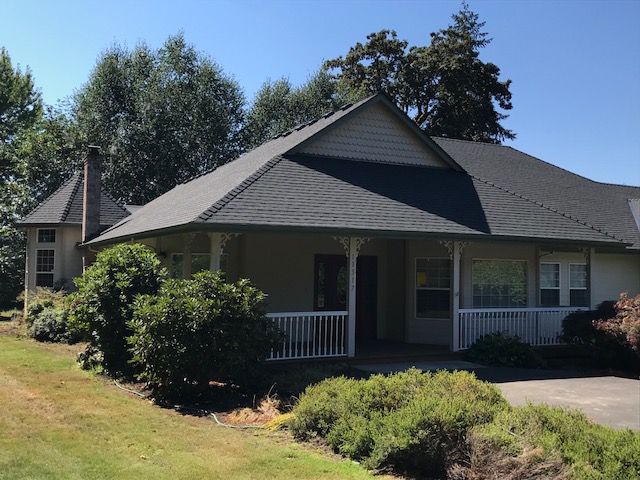
However, its complex design may increase installation and maintenance costs. Unfortunately, the way it’s built might make it hard to heat or cool, and the extra windows might make costs go up. What might not be so beneficial is that its design may make it hard to ventilate and may increase costs.
Install New Roofing Material
Saltbox houses are variations of early Colonial and Cape Cod designs. Early Americans realized they could add more space with less material by adding a lean-to roof to an existing gable roof. It can either be thought of as a gable roof with hipped ends (cut short with the points turning downward). – They may also be referred to as clipped gable or English hip roofs. If there is too much of an overhang, winds can create an uplift underneath and cause the roof to detach from the walls. Now that we’ve gone over what makes each roof style unique, here’s everything you need to know about home roofing materials, from the pros to the cons.
Different Types Of House Roof Design
One of the most dramatic and minimal roof types of them all, sloping flat roofs feature one flat angled plain for a stunning effect. A variation of a hip roof, pyramid roof types keep all sides sloping down towards the walls and depending on the size of the building, they may have three or more rectangular faces. Hailing from New England and often used for a wooden frame house, saltbox home roofing is a traditional roof style with a long, pitched point that slopes down towards the back. A saltbox home also often has just one story in the back and two stories in the front due to its slanted styling. Gambrel roof styles are symmetrical two-sided panels with slopes on each side. Their design takes in the advantages of sloped roof angles while lengthening headspace inside a building’s upper level while diminishing what would otherwise be a tall roof.

Pros of Dutch Gable Roofs
Your roofs work hard to protect you from extreme temperatures, blustering winds, and wet weather. As long as you stay warm and dry, you don’t often pay attention to the state of your roof. However, damage can sneak up on you if you aren’t paying attention to important visible clues. While these windows increase ventilation and usable space by up to 30 square feet, it is important to install energy-efficient windows to filter ultraviolet light and reduce energy costs. A green roof also increases the lifespan of roofs by two to three times, extending it for up to decades. It is also beneficial to one’s health as it filters out pollutants in the air and rainwater.
However, one benefit of the butterfly roof is you end up with tall ceilings on two sides of the home. The other part of the roof can be many designs such as hip, gambrel or gable… when adding an extended ledge, it becomes a bonnet variation of that roof design. We went through quite a few roof styles today, and you may be wondering which is best for you. While many of these roof styles would work for your home, it’s mainly about which factors are most important to you.
The gable roof is a recognizable architectural style featuring two sloping sides that meet at the top in a triangular shape with a peak. It is well-suited for homes in areas with heavy rainfall, is easy to construct and maintain, and provides extra space in the attic. Common styles include front-gabled, side-gabled, cross-gabled, and Dutch gable roofs.
They are, however, more than simply functional necessities; they have the ability to convert a simple dwelling into a fascinating masterpiece or architectural marvel. But what matters most is the type of roofs that suit the personalities living beneath them, the climate around them as well the aesthetic appeal of the house. No two roofing companies are the same, and different locations have different pricing methods. Contractors consider elements like size, materials, structural components, unique features like chimneys or skylights, and old roof removal when determining the cost of your new roof.
Gable Roof Styles
First, determine the existing weather conditions at the location of your house as climate affects your roofing significantly. This is designed to prolong their life and extend it for 10 to 15 years. Roof coatings are typically applied on top of existing singes membrane roofs or low slope metal roofing. Spray on roofs come in two different types, namely spray foam insulation and roof coatings. Spray foam insulation is a type of roofing that is directly sprayed onto the roof deck, then coated with an acrylic coating and a layer of crushed stones or sand. Its major drawback is its high cost, as slate is considered to be one the premium roofing materials in the industry.
Cabins are one of the most common structures that will be built with an A-frame roof. Small, asphalt shingle roofs with no underlying damage are the fastest to install. Factors such as roof complexity, underlying damage, and the time it takes to order materials can stretch out the project.

The gable roof style is one of the most common and features two sloping sides that meet at the top to form a ridge. This roof style was popular in ancient architecture, particularly Gothic and Romanesque structures. Its job is to let in as much natural light and air as possible, which can help cut down on energy costs.
A curved roof was first seen in the 1920s as covering for barn sheds, which allowed farmers to maximize hay storage in their barn lofts. As a result, a lot of curved roof barns are popular in the Midwest and were even adapted for use during World War II. A-frame homes have been around for centuries, but they experienced a surge in popularity in the 1950s.
7 Popular 1920s House Styles in America - Apartment Therapy
7 Popular 1920s House Styles in America.
Posted: Tue, 28 Jan 2020 08:00:00 GMT [source]
This roof is mostly made of metal and has a curved profile that continues from the eaves to the ridge, simulating a half-cylinder form. Quonset hut roofs have found broad application in agricultural, storage, and military constructions due to their low cost and simplicity of installation. Few roof styles catch the mind like the dome roof when it comes to architectural marvels. The dome roof, with its exquisite curving shape and awe-inspiring presence, is a monument to human skill and structural beauty. These types of roofs are commonly found in factories, warehouses, and other industrial environments, and are distinguished by their distinctive sawtooth-like form.
However, a jerkinhead roof does not provide a lot of storage space compared to the gable. It also requires additional work but will not cause a significant increase in construction costs. It lends a vintage flair to houses and is perfect for historic, old world, Victorian and traditional themed residences. It is more durable that the gable because the slopes protect the porch and the walls from water damage. Snow or rainfall easily drains off following the natural pull of gravity down the slope.




No comments:
Post a Comment